
Updated · GetClinicTurkey Editorial · General planning information, not personal medical advice.
Send a recent panoramic X-ray (OPG), clear photos of your smile and teeth, a full list of your medicines and medical conditions, details of any crowns or implants you already have, and a short note on what you want, your budget and your travel dates. For implants, add a 3D (CBCT) scan if you have one. The more a clinic sees, the less your price is likely to move later.
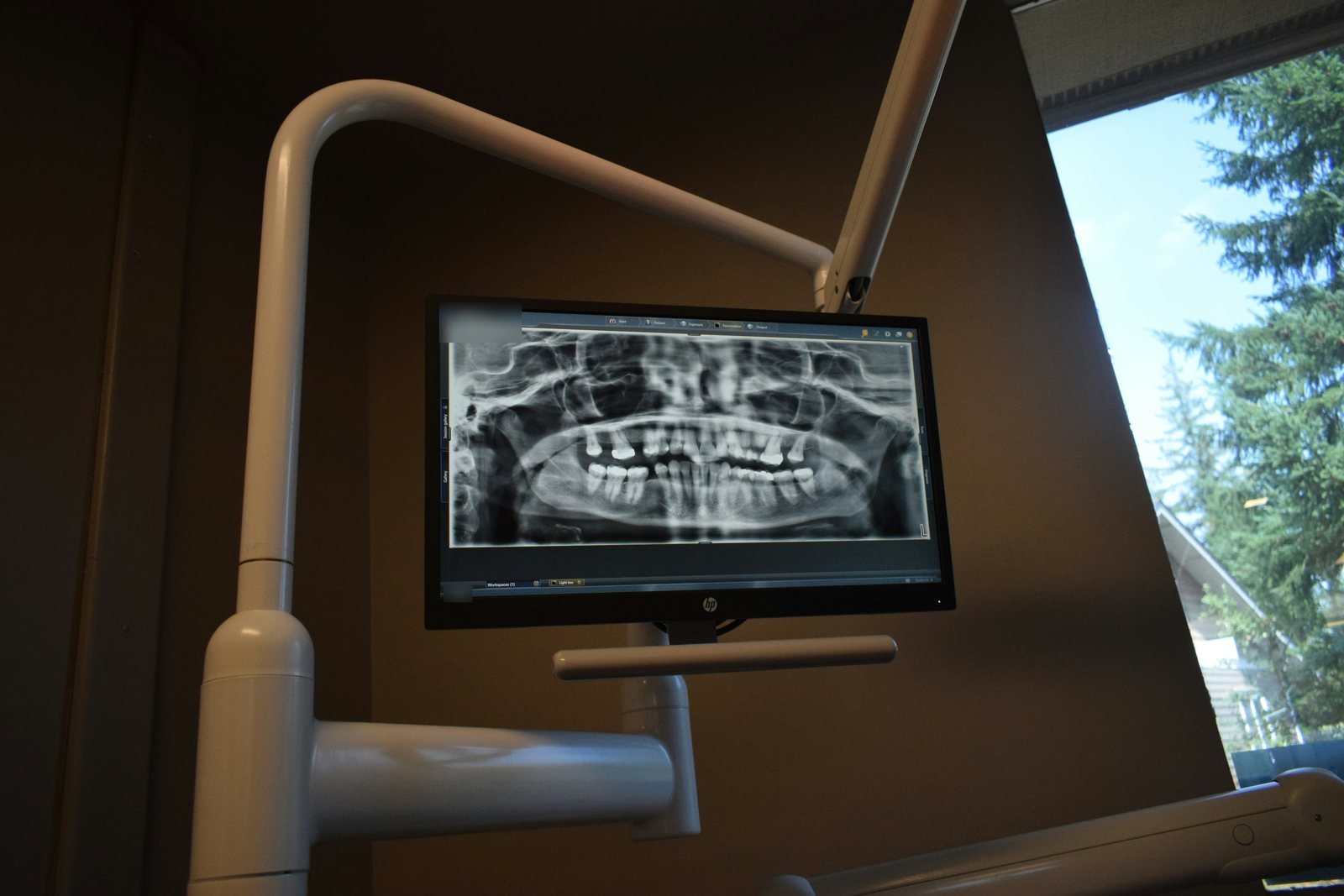
The checklist: what to send and why
Not everything applies to every case, but each missing item can widen the quote or move the price later.
| What to send | Why the clinic needs it | If you don’t have it |
|---|---|---|
| Panoramic X-ray (OPG), recent | Shows all teeth, roots, both jaws and old treatment in one image | The quote is based on photos alone and is more likely to change after the X-ray in the clinic |
| CBCT (3D) scan, for implants | Shows bone height and width, nerves and sinuses | Ask whether the clinic scans you on arrival; a bone graft or sinus lift may only show up then |
| Photos of your smile and teeth | Shape, colour, gum line, visible damage, what bothers you | The clinic cannot judge the cosmetic side or how many teeth are involved |
| Medicines and medical history | Some medicines and conditions change how extractions and implants are planned | Risk of a plan that has to be changed or postponed at the chair |
| Existing crowns, bridges, implants | Which work can stay, which needs replacing, which implant parts fit | Old work may be quoted as new work, or missed until examination |
| Your home dentist’s plan or quote, if you have one | Lets the clinic compare like for like with what a dentist who examined you proposed | The clinic plans from scratch, and quotes are harder to compare |
| Goals, budget, dates | What you want fixed, what you can spend, how many trips you can make | You get a package price instead of options that fit your case |
Your panoramic X-ray: how to get a copy in the UK
A panoramic X-ray, also called an OPG or orthopantomogram, gives a continuous view of the upper and lower jaw (NHS imaging service). If you have had dental treatment in recent years, your dentist may already have one.
Ask your dentist for copies, NHS or private. Asking for a copy of your records is a subject access request under UK data protection law. The Information Commissioner’s Office says organisations usually have one month to respond. Its guidance for organisations adds that a request can be made verbally or in writing, that in most cases no fee can be charged, and that a request made electronically should be answered in a commonly used electronic format.
- Ask for the original digital image files, not a phone photo of a screen. If you have had a 3D scan, ask for the full DICOM export (the standard medical imaging format).
- Ask for the date of each image, and your recent treatment notes: which teeth have fillings, crowns or root canal treatment.
The NHS also suggests discussing with your clinician at home how notes will be transferred to an overseas team (NHS treatment abroad checklist).
No recent X-ray? In Great Britain an X-ray can only be taken when a practitioner has justified it as giving a sufficient net benefit (IR(ME)R 2017, regulation 11). So you cannot simply order one: a dentist examines you and decides. Otherwise the clinic in Turkey takes one when you arrive; ask whether that is included in the quote.
When a CBCT scan matters
A panoramic X-ray is two-dimensional. For implants, the clinic needs the width and height of the bone and the position of nerves and sinuses. Leeds Teaching Hospitals, an NHS implant service, says a 3D X-ray, a cone beam CT (CBCT) scan, “is usually requested” (Leeds). The American Academy of Oral and Maxillofacial Radiology recommends cross-sectional imaging for the assessment of all dental implant sites, with CBCT as the method of choice (Tyndall et al., 2012).
Without a CBCT, an implant quote cannot be final: the scan decides whether you need a bone graft or sinus lift. If you have one, send it. If not, ask for conditional prices: what a graft or sinus lift would cost if needed. Our guide to bone grafts for dental implants in Turkey explains how that decision is made.
Photos: which ones to take
Clinical photo sets used in UK dental training, based on Institute of Medical Illustrators guidance, include five views inside the mouth: the front, right and left sides with the teeth biting together, and the biting surfaces of the upper and lower teeth (NIMDTA training handout). A simple phone version:
- a natural smile, face on, and one with your teeth together and lips pulled back;
- the left and right side with teeth together;
- the upper and lower biting surfaces, if someone can help;
- a close-up of anything that bothers you, such as a chipped tooth.
Use daylight and no filters. Photos show the cosmetic side and the scale of the job, but they have limits: a systematic review of photo-based dental assessment found that sensitivity for detecting decay ranged widely between studies, from 48% to 98.3% (Kargozar and Jadidfard, 2024). Photos cannot show roots, bone or what is under an old crown.
Medical history: what to include and why
Write a list: every medicine with its dose, including ones you take only sometimes, and any allergies. Some items matter more for dental surgery:
- Blood thinners (anticoagulants such as warfarin, apixaban or rivaroxaban). The NHS says to tell your dentist you take them before a procedure such as an extraction; you may not need to stop, but you may need a blood test, and you should only stop on medical advice (NHS).
- Osteoporosis medicines such as alendronic acid (a bisphosphonate). The NHS says there is a very small chance of damage to the jawbone with implants or extractions, and that your dentist may recommend a different type of treatment (NHS).
- Diabetes, smoking and gum disease. Leeds Teaching Hospitals lists poorly controlled diabetes, smoking, a history of gum disease and certain medicines such as bisphosphonates among the factors that raise the chance of late implant failure (Leeds).
- Other serious conditions, and anything your doctor has told you to mention before dental treatment.
A clinic can only plan for what it knows.
Existing work, goals and dates
Existing crowns, bridges and implants. Say which teeth have them and roughly when they were done. For implants, send any implant card and the brand and system if you know it, so the clinic can say what can be kept and whether it can work with your implant parts.
What you want, your budget and your dates. A few sentences: what bothers you, a natural result or a bigger change, what you can spend, when you can travel, and whether you could make two trips. See how to plan a dental trip to Turkey for the travel side, and do not book flights before you have a written plan.
Questions to ask when you send your records
- Is this quote based on my X-ray, or on photos only?
- Which dentist reviewed my records?
- What could change the price after examination, and by how much?
- Which X-rays or scans will you take on arrival, and are they included?
- Who will see my records, and will you share them with anyone else?
For the questions before a deposit, and the documents to get back from the clinic, see our checklist before paying a dental deposit.
Why an online quote is still an estimate
Our price calculator page puts it plainly: an exact price needs a clinic’s assessment of your X-ray or CT scan. The binding price is the written quote from the clinic, and the plan is confirmed only after an examination in person. Common reasons a price moves:
- the scan shows a bone graft or sinus lift is needed for an implant;
- a tooth under an old crown needs root canal treatment or has to come out;
- gum disease needs treating before cosmetic work;
- more teeth need work than the photos suggested, or fewer.
Ask for any change in writing, with the image that shows why, and take time to decide. For how prices are built, see the implant price guide.
Sending medical records safely
Health information is special category data under UK data protection law, which means it needs more protection (ICO). Turkish law also treats health data as a special category (KVKK). That is a reason to send records carefully, not to avoid sending them:
- Use the official channel. Send to the clinic’s or service’s published email or WhatsApp number, not a personal number you were given in a comment or direct message.
- Send only what a quote needs. X-rays, photos and a medicines list are enough. A passport, NHS number or full medical file can wait until you book.
- Remember where files end up. WhatsApp messages are end-to-end encrypted, but files are stored on the receiving phone, and WhatsApp describes end-to-end encryption of Google Drive or iCloud backups as an extra, optional layer that has to be switched on (WhatsApp).
- Ask who will see them: one clinic, several, or a coordinator.
If you contact us, our enquiry form asks for your name, email, phone or WhatsApp number and a message. Under our terms, we forward your enquiry, at your request, to suitable clinics so they can send you a quote. Response times vary by clinic. Medical details can wait until you talk to the clinic you choose. See also direct clinic or agency.
Frequently Asked Questions
Can I get a dental quote from Turkey without an X-ray?
Yes, but only an indicative one. Photos cannot show roots, bone or what is under old fillings, and an exact price needs the clinic’s assessment of your X-ray or CT scan.
How do I get a copy of my dental X-rays in the UK?
Ask the practice that took them, NHS or private. It is a subject access request: verbal or written, normally answered within one month and in most cases free. Ask for the original digital files.
Do I need a CBCT scan before getting a dental implant quote?
Not for a first estimate, but implant planning normally relies on a 3D scan of the bone, nerves and sinuses. If you have a CBCT, send the full DICOM export; if not, ask whether the clinic’s scan is included.
What medical information should I give a dental clinic abroad?
Every medicine you take, especially blood thinners and osteoporosis drugs such as alendronic acid, plus diabetes, smoking, gum disease, allergies and any serious condition. Give the list before the quote.
Is it safe to send dental X-rays by WhatsApp?
Messages are end-to-end encrypted, but files are stored on the recipient’s phone and may end up in backups. Use the clinic’s official number, send only what a quote needs, and ask who will see them.
Sources
- Information Commissioner’s Office (ICO): getting copies of your information (subject access request)
- ICO: a guide to subject access (time limits, fees, format)
- ICO: special category data
- NHS: treatment abroad checklist
- The Ionising Radiation (Medical Exposure) Regulations 2017, regulation 11 (justification of individual exposures)
- University Hospitals Birmingham NHS FT, imaging: dental radiography (OPG)
- Leeds Teaching Hospitals NHS Trust: dental implants (patient information)
- Tyndall DA et al. Position statement of the American Academy of Oral and Maxillofacial Radiology on selection criteria for the use of radiology in dental implantology with emphasis on cone beam computed tomography. Oral Surg Oral Med Oral Pathol Oral Radiol. 2012;113(6):817-26
- NIMDTA (HSC Northern Ireland) dental training: clinical photography handout (photo sets based on Institute of Medical Illustrators guidance)
- Kargozar S, Jadidfard MP. Teledentistry accuracy for caries diagnosis: a systematic review of in-vivo studies using extra-oral photography methods. BMC Oral Health. 2024
- NHS: anticoagulant medicines, considerations (surgery and dental procedures)
- NHS: common questions about alendronic acid (dental treatment)
- Turkish Personal Data Protection Authority (KVKK): special categories of personal data
- WhatsApp: end-to-end encrypted backups on WhatsApp (optional for Google Drive and iCloud backups)
Comparing clinics? Every profile shows whether we found the clinic on the Ministry of Health authorisation list. Browse clinics or read how the license check works.