
Updated 29 August 2026 · GetClinicTurkey Editorial · General planning information, not personal medical advice.
Dental bridge prices in Turkey are often advertised “per tooth,” even though a bridge may replace only one missing tooth while containing three billable units. Until you understand the units, two quotes cannot be compared.
The bigger decision is clinical: should the gap be restored by preparing neighbouring teeth, using a conservative adhesive bridge, placing an implant or leaving it temporarily unrestored? The cheapest package does not answer that question.
What is a dental bridge?
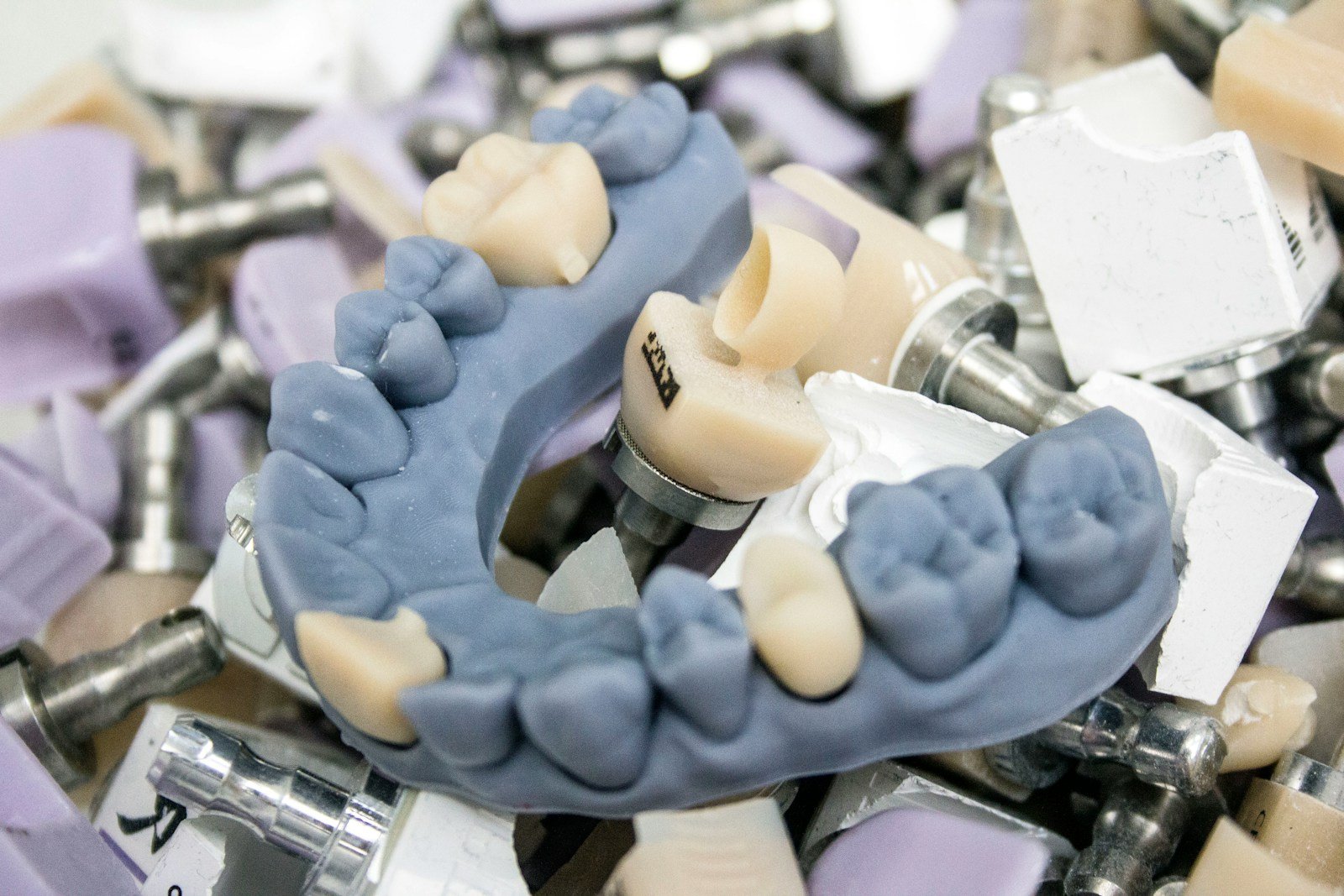
A dental bridge is a fixed restoration that replaces one or more missing teeth. The replacement tooth is called a pontic. The parts that hold it in place are retainers, which may be crowns on natural teeth, adhesive wings bonded to teeth or restorations attached to dental implants.
“Fixed” means the patient does not remove it each night like a denture. It does not mean every bridge has the same design, biological cost or price.
Why “per unit” changes the price
One bridge unit usually means one tooth position in the restoration—not one missing tooth. A common conventional bridge replacing one missing tooth consists of:
- one crown on the tooth on one side;
- one false tooth in the gap;
- one crown on the tooth on the other side.
That is three units for one missing tooth. A clinic quoting €150 per unit would calculate €450 for that example. Another clinic quoting “€450 per bridge” may be describing the same total. Ask for a labelled diagram with tooth numbers rather than comparing the headline alone.
Dental bridge Turkey cost in 2026
GetClinicTurkey uses €120–250 per unit as the current planning range for a conventional laboratory-made bridge. The unit arithmetic must remain consistent:
| Bridge size | 2026 Turkey planning total | Common interpretation |
|---|---|---|
| 3 units | €360–750 | Often two retainers and one pontic |
| 4 units | €480–1,000 | Design varies; request a tooth-number diagram |
| 5 units | €600–1,250 | Longer span requires careful support and bite assessment |
These are planning totals, not guarantees. A three-unit offer below €360 falls beneath our current unit floor and should be clarified. An implant-supported bridge is not priced by multiplying this table alone because implant fixtures, abutments, surgery and healing are separate components.
What the bridge quote may leave out
- examination, periodontal assessment and required imaging;
- treatment of decay or gum disease around supporting teeth;
- root canal treatment, core build-up or post where clinically required;
- extraction and healing before the definitive bridge;
- temporary bridge or removable temporary tooth;
- implant fixtures and abutments for an implant-supported bridge;
- laboratory upgrades, try-ins and remakes;
- bite adjustment, hygiene instruction and review;
- night guard where the bite or bruxism justifies one;
- travel, accommodation and later repairs.
“Zirconia bridge €150” is incomplete unless it states whether €150 is per unit, how many units are planned and what sits underneath them.
The four bridge designs are not interchangeable
| Design | How it stays in place | Main trade-off |
|---|---|---|
| Conventional bridge | Crowns on one or more prepared teeth | More secure in many cases, but supporting teeth are prepared |
| Adhesive / Maryland bridge | Wing bonded mainly behind an adjacent tooth | Conservative, but debonding and case selection matter |
| Cantilever bridge | Support from one side only | Useful selectively; force and position become critical |
| Implant-supported bridge | Attached to dental implants rather than natural-tooth crowns | Avoids natural abutments but adds surgery, healing and components |
If a clinic uses “Maryland,” “cantilever,” “zirconia bridge” and “implant bridge” as if they differ only in price, the plan is not ready for consent.
Conventional bridge: the healthy-neighbour question
Leeds Teaching Hospitals explains that a conventional bridge is made by preparing adjacent teeth for crowns and connecting a false tooth to them. This can be logical when those teeth already contain large restorations or need crowns. It is a much bigger trade-off when both neighbours are intact and healthy.
The same NHS guidance warns that preparation can affect the nerve of a supporting tooth and reports that a minority may later need root canal treatment. That is not a prediction for every patient; it is a reason to discuss biological cost before drilling.
Adhesive or Maryland bridge: the conservative option
An adhesive bridge uses a wing bonded to the back of an adjacent tooth and may require little or no drilling in a suitable case. It is commonly considered for selected single-tooth gaps, especially where conservation matters.
Its most recognised complication is debonding. A 2017 systematic review estimated event-free survival of resin-bonded bridges at 83.6% after five years and 64.9% after ten years, with debonding the dominant reported failure. Functional survival after rebonding was not included, so the figures do not mean every debonded bridge was permanently lost.
Material, position, bite, available enamel, retainer design and preparation influence the result. Do not accept “Maryland never lasts” or “no-drill bridge lasts forever.” Both claims erase case selection.
Dental bridge vs implant
| Question | Tooth-supported bridge | Single implant |
|---|---|---|
| Neighbouring teeth | Conventional design usually prepares them | Normally avoids using them as crown retainers |
| Surgery | No implant surgery | Requires surgery and suitable bone/soft tissue |
| Timeline | Often laboratory appointments in one treatment phase | Usually includes a healing phase before the final crown |
| Planning cost | €120–250 per bridge unit | €350–800 for a single implant in our current range |
| Cleaning | Must clean under the connected pontic | Cleans more like a separate tooth, with implant-specific care |
An implant is not automatically superior. Surgery may be unsuitable or unwanted, bone may be insufficient, the gap or anatomy may be unfavourable, and healing takes time. A bridge is not automatically inferior. It can be efficient when supporting teeth already need crowns or when surgery is a poor option.
Compare the full implant timeline and components in our dental implants in Turkey guide.
Dental bridge vs removable partial denture
A removable partial denture can replace one or several teeth without a fixed bridge across every gap. It may be a temporary or definitive option, particularly when surgery or extensive preparation is unsuitable. It is removable, can feel bulkier and requires adaptation and maintenance.
Do not let a sales coordinator frame the choice as “fixed luxury bridge or live with a gap.” The reasonable options may also include an adhesive bridge, implant, partial denture, orthodontic space management or no immediate replacement, depending on function and risk.
Already wear a removable partial denture that has broken? Our denture repair in Alanya guide explains what to ask about repairing the existing appliance before considering a different restoration.
Turkey vs NHS England bridge cost in 2026
NHS England lists bridges within Band 3 treatment when clinically necessary. From 1 April 2026, the Band 3 patient charge is £332.10 for the course of treatment. Availability, clinical eligibility and the restoration offered still matter.
That means Turkey is not automatically cheaper for someone who can access appropriate NHS care. A three-unit Turkey bridge plans at €360–750 before flights and hotel. The value calculation changes for private care, multiple necessary units or a broader treatment plan, but it must use the complete landed cost.
How long does a bridge take in Turkey?
A laboratory-made bridge generally needs at least an assessment/preparation stage and a fitting stage. Scans or impressions, temporary work, laboratory construction, try-in, contact checks, shade, cementation and bite adjustment sit between them.
The clinic should provide a case-specific schedule rather than a universal “three days.” Disease control, extraction healing, root canal treatment, implant healing or a laboratory remake can extend the plan. Keep a correction buffer before departure; the final fitting should not end on the way to the airport.
- Assessment: gap, supporting teeth, gums, bite, imaging and alternatives.
- Preparation/design: tooth preparation if required, scan or impression, shade and temporary.
- Laboratory phase: framework and ceramic construction.
- Try-in/fitting: fit, contact, appearance and cleanability checked.
- Review: bite, comfort, cement and hygiene access reassessed.
How long do dental bridges last?
A review of fixed dental prosthesis studies estimated five-year survival at 93.8% for conventional tooth-supported bridges and 87.7% for resin-bonded bridges. Ten-year estimates were lower and varied by design. These are group-level estimates from selected studies, not personal guarantees or a promise that the restoration remained complication-free.
Bridge survival depends on:
- health and structure of supporting teeth;
- span length and bridge design;
- fit, material and laboratory quality;
- bite forces and grinding;
- decay and periodontal risk;
- cleaning under the pontic and around retainers;
- smoking and general maintenance;
- timely repair of loose or damaged components.
Ask clinics to distinguish survival, success without intervention and guarantee coverage. They are not the same outcome.
Cleaning and maintenance
Because the units are connected, ordinary floss cannot pass down between the pontic and adjacent crown as it would between separate teeth. The dental team should demonstrate bridge floss, a threader, interdental brushes or another device appropriate to the design.
Bleeding, persistent bad taste, trapped food, mobility, a changed bite, pain or a loose bridge needs assessment. A written guarantee may exclude decay, gum disease, smoking, grinding, missed hygiene visits or work by another dentist. Read our Turkey dental guarantee and aftercare guide before assuming a replacement is free.
Questions to ask before booking
- How many teeth are missing and how many units are billed?
- Which teeth support the bridge, and what is their condition?
- Is the design conventional, adhesive, cantilever or implant-supported?
- How much tooth structure will be removed?
- What alternatives were considered, including no immediate replacement?
- What material and laboratory will be used?
- Are X-rays, temporaries, try-ins and adjustments included?
- Could any supporting tooth need root canal treatment or a core?
- How will I clean under the pontic?
- What happens if the bridge does not fit or the plan changes?
- What records and material details will I receive?
- What exactly does the guarantee cover from abroad?
How to compare clinics
Use our Turkey dental clinic directory to build a shortlist. Then ask each clinic to mark the same teeth, retainers and pontics on the plan. Before-and-after images can show appearance; they cannot prove the supporting teeth were healthy, the bridge is cleanable or the bite is stable.
Apply the 12 clinic checks before paying a deposit. The treating prosthodontist or dentist, diagnostic records, laboratory, exact material, remake process and aftercare plan matter more than airport transfers.
The honest verdict
A bridge can be a sound fixed replacement, especially when the supporting teeth already benefit from crowns or an adhesive design preserves healthy structure. It can also be unnecessary damage when intact neighbours are prepared without a fair implant, adhesive or removable alternative discussion.
Start with the gap and supporting teeth. Then compare design, biological cost and complete price. A three-unit bridge is not “one tooth,” and €120 per unit is not a €120 finished bridge.
Related guides
- Dental crowns in Turkey: cost, types and selection
- Dental implants in Turkey: cost, safety and process
- Root canal treatment in Turkey: cost, crown and timing
- How to check a Turkish clinic before a deposit
Frequently asked questions
How much does a dental bridge cost in Turkey in 2026?
GetClinicTurkey's planning range is €120–250 per bridge unit. A conventional three-unit bridge therefore plans at €360–750, four units at €480–1,000 and five units at €600–1,250. These are comparison ranges, not quotes. Diagnostics, temporary work, material, supporting-tooth treatment and implant fixtures can change the total.
What does a three-unit dental bridge mean?
A common three-unit conventional bridge uses two supporting crowns with one false tooth between them, so it usually replaces one missing tooth while charging for three tooth positions. Confirm the drawing and tooth numbers because bridge designs vary.
Is a bridge better than a dental implant?
Neither is universally better. A conventional bridge avoids implant surgery and may suit adjacent teeth that already need crowns, but it prepares supporting teeth. An implant avoids preparing healthy neighbours but adds surgery, healing time, component costs and its own risks.
Will healthy teeth be drilled for a dental bridge?
A conventional tooth-supported bridge normally requires preparation of one or more adjacent teeth. An adhesive or resin-bonded bridge may require little or no drilling in suitable cases. Ask the dentist to show the design and explain why the supporting teeth are appropriate.
How long does a dental bridge take in Turkey?
A laboratory-made bridge usually needs assessment and preparation, laboratory fabrication, try-in, fitting and a bite review. The number of days varies with the design, material, oral health and any supporting-tooth treatment. Keep an adjustment buffer instead of flying immediately after fitting.
How long does a dental bridge last?
There is no guaranteed lifespan. Design, supporting teeth, decay risk, gum health, bite, hygiene and maintenance all matter. Survival statistics describe groups and include different definitions; they should not be converted into a personal expiry date.
Sources and further reading
- Leeds Teaching Hospitals NHS Trust: conventional and adhesive bridges
- NHS Business Services Authority: current England dental charges
- Systematic review: predictability of resin-bonded bridges
- Review: anterior resin-bonded fixed dental prosthesis survival
- Review: survival and complications of fixed dental prosthesis designs