
Updated 11 August 2026 · GetClinicTurkey Editorial · General information, not a diagnosis — you need an in-person examination before anyone can tell you what your options are.
Search for this and you get two kinds of answer: Turkish clinics saying come back to us, and UK dentists saying we told you so. Neither is much use when you are the one with the problem. Here is the straight version — what can genuinely be repaired, what cannot be undone at all, roughly what it costs, and how to decide where to have it done.
We list dental clinics in Turkey, so read this knowing that. What follows includes the situations where our honest advice is to have the work done at home instead.
Last editorial check: 21 August 2026. Read the complete guide for limitations, sources and case-specific questions.
First: the honest answer about “reversal”
The most common question is whether Turkey teeth can be reversed. In the way people usually mean it — back to your own natural teeth — no.
Fitting a full crown means the tooth is filed down on all sides. That enamel is gone and does not regrow. Those teeth will need a crown or another restoration for the rest of your life. Anyone offering to “reverse” it is either misunderstanding the question or misleading you.
What is achievable is often a great deal better than what people expect: well-fitted units, healthy gum margins, a bite that works, and a shade that looks like teeth rather than tiles. That is a repair, and a good one changes how you feel. It just is not a reversal.
What can actually be fixed
| Problem | Typically fixable? | What it involves |
|---|---|---|
| Chipped or fractured crown/veneer | Yes | Remake the individual unit |
| Wrong shade, bulky or unnatural shape | Yes | Remake, with the design agreed first |
| Dark line or gap at the gum | Usually | New unit with a properly fitted margin |
| Decay under a crown | Usually | Remove crown, treat decay, rebuild, new crown |
| Inflamed or receding gums | Often improves | Gum treatment first, then reassess the units |
| Nerve has died / abscess | Often | Root canal, then a new crown |
| Crown keeps coming loose | Depends | Assess how much tooth is left underneath |
| Tooth cracked below the gum | No | Extraction, then implant or bridge |
| Bite is wrong across the whole arch | Yes, but slowly | Full reassessment — not a quick remake |
The pattern is simple: how much healthy tooth and bone is left underneath decides almost everything. Two mouths that look equally bad in photographs can have completely different prognoses.
What cannot be undone
- Removed enamel. Permanent. Those teeth are committed to restorations for life.
- A tooth that has been extracted. Replaceable with an implant or bridge, but not recoverable.
- Significant bone loss around a failed implant. Grafting can rebuild some of it, but it adds months and does not always fully succeed.
- The money already spent. Worth saying plainly, because sunk cost pushes people into going back to the clinic that caused the problem in the hope of a free fix. Sometimes that is right — often it is not.
Why revision costs more than the original
People are often shocked that fixing costs more than the first treatment did. It is not opportunism; it is the work:
- The existing units have to be removed carefully, without damaging what is underneath.
- Whatever has gone wrong — decay, gum disease, a dead nerve — has to be treated first.
- Teeth that have already been heavily reduced need building back up before a new unit can be fitted.
- Only then does the new restorative work begin.
As a rough orientation, a replacement crown in Turkey starts from around €150 and an implant from €350 where a tooth cannot be saved — but any figure given before a scan is guesswork, and revision cases genuinely vary more than routine ones. See our cost index for country-by-country comparison.
Where should you have it done?
This is the decision that matters, and the honest answer is not the same for everyone.
| Your situation | Sensible route |
|---|---|
| Pain, swelling, infection | Locally, now. Do not wait for a trip |
| Under written guarantee, clinic responsive, simple remake | Back to the original clinic — usually free |
| Original clinic denies the problem or has gone quiet | Somewhere else. Do not keep negotiating |
| One or two units, you are in the UK | Often simplest at home despite the cost |
| Full arch or full mouth to redo | The cost gap is large — Turkey may make sense, but only after an independent diagnosis |
| The experience left you anxious about going back | Have it done at home. That is a legitimate reason on its own |
If the work is under guarantee
Most reputable Turkish clinics guarantee their own work, commonly for five years or more on crowns and often longer on implant fixtures. Guarantees usually cover the laboratory work and the clinic’s time — they rarely cover your flights and hotel, and they are typically void if you have not kept up hygiene appointments.
Read the exact terms before you argue with anyone. Our guide to dental guarantees and aftercare sets out what these documents normally say, what voids them, and the step-by-step if a clinic goes quiet.
How not to make it worse
- Do not accept a second full-mouth package quoted from photographs. That is how the first one happened.
- Do not let anyone rush a revision into one week. Gums need to settle; healing cannot be compressed.
- Do not treat the shade as the priority. Fix health first — margins, gums, nerves. Appearance follows and lasts.
- Get the new plan tooth by tooth, in writing, with the material named for each unit. See why this single request prevents most over-treatment.
- Keep every document from the original treatment — plan, invoices, materials, photographs. It genuinely helps whoever takes the case on.
A realistic timeline
| Stage | Roughly |
|---|---|
| Independent examination, X-rays, CT if needed | 1 appointment |
| Treating gum disease and letting it settle | Weeks to a few months |
| Root canals or extractions where needed | Alongside the above |
| Implant healing, if a tooth was lost | About 3 months |
| New restorative work | 1–2 weeks of appointments |
A straightforward single remake can be quick. A full revision usually is not — and a clinic that says otherwise is telling you something about how it works.
Frequently Asked Questions
Can Turkey teeth be reversed?
Not in the way most people mean. If enamel was removed to fit crowns — and with full crowns it always is — that enamel does not grow back. Those teeth will need a restoration of some kind for the rest of your life. What can be done is replacing poor work with better work: properly fitted crowns, healthy margins, a bite that functions. That is a real improvement, but it is a repair, not a reversal.
Can bad veneers or crowns from Turkey be fixed?
In most cases yes, at least partly. Chipped or badly shaped units can be remade; decay at the margin can be treated and the crown replaced; inflamed gums usually settle once the fit is corrected; a tooth whose nerve has died can often be root-treated and re-crowned. The outcome depends far more on how much healthy tooth is left underneath than on how bad it looks from the front.
Can you get Turkey teeth repaired in the UK?
Yes, and for some situations you should. Infection, pain and anything urgent should be dealt with locally and immediately. UK dentists will diagnose, treat pain and infection, and remake individual units — what most will not do is take on responsibility for someone else’s full-mouth work at short notice, and the cost of redoing a full arch privately in the UK is high. Which route makes sense depends on the scale of the problem, not on loyalty to a country.
How much does it cost to fix Turkey teeth?
Expect revision to cost at least as much as the original work and often more, because it involves removing what is there, treating whatever has gone wrong underneath, and then rebuilding. A single replacement crown in Turkey starts from around €150 and an implant from €350 where a tooth cannot be saved, but any quote given before a scan and a proper examination is guesswork.
Should I go back to the same clinic?
If the work is under a written guarantee, the clinic is reputable and responsive, and the problem is a straightforward remake, then yes — it is usually free and they have your records. Do not go back if the clinic denies an obvious problem, will not put anything in writing, or if the original treatment plan itself was the mistake. A clinic that over-treated you once will not be the one to recognise it.
How long does revision treatment take?
Longer than the original. Gum disease needs treating and settling before new work is fitted; root canals need checking; extractions and implants need months of healing. A realistic full revision is several months and often two or three visits, not a single week. Any clinic promising to redo a failed full-mouth case in five days is repeating the mistake that created the problem.
What should I do first?
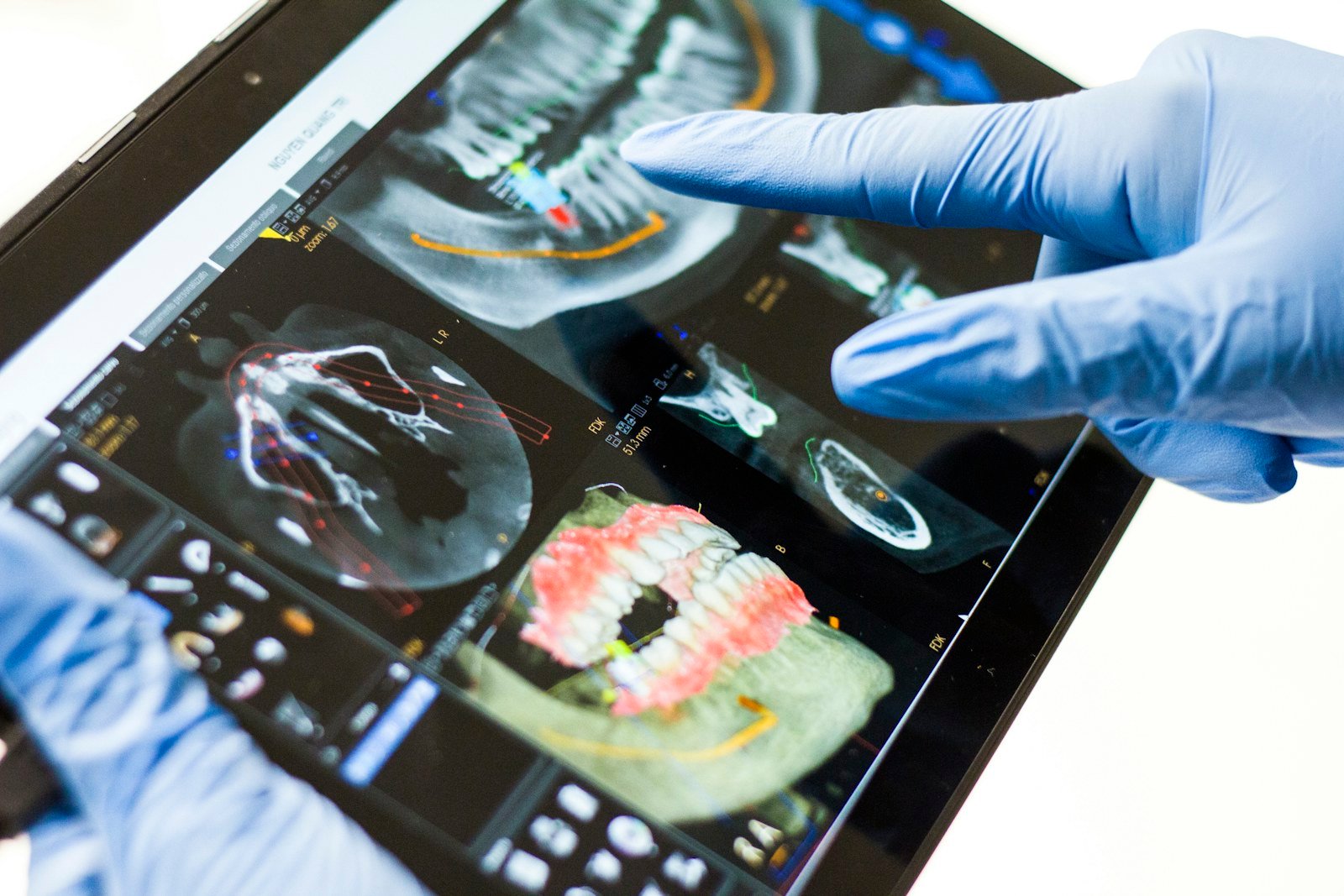
Get an independent diagnosis before you get a quote. That means a full examination and X-rays — usually a panoramic and often a CT scan — from a dentist who is not the one selling you the repair. Until someone has seen the state of the teeth and bone under the crowns, nobody can tell you honestly what can be saved.
Want a second opinion on existing work? Send us your photos, X-rays and the original treatment plan if you have it. We will get you honest assessments from clinics with published Google review histories — and if the sensible answer is to have it treated at home, we will say so. Free, no obligation. Browse verified clinics.
- Turkey Dental Tourism Statistics 2026
- Dental Cost Index — Turkey vs 10 countries
- Turkey Dental Tourism FAQ
- How We Verify Clinics