
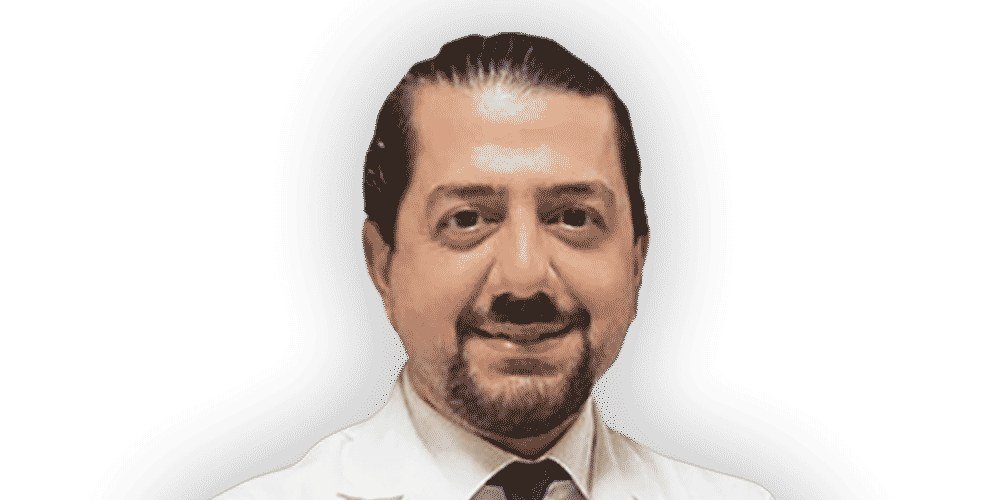
Op. Dr. M. Remzi Erdem Urology Practice

Op. Dr. M. Remzi Erdem Urology Practice

📍 Terrace Fulya Center 2, Teşvikiye Mah. Hakkı Yeten Cad. No:13, Şişli🕐 Mon–Fri 09:00–19:00, Sat from 09:00, Sun Closed
Profile facts checked 17 November 2026 · GetClinicTurkey Editorial Op. Dr. M. Remzi Erdem is a urological surgeon, a specialist in urology, with a private practice in Teşvikiye, Şişli, Istanbul. His website names andrology (men's sexual and reproductive health), reconstructive urology and female urology as the areas in which he performs specialised operations. This page sets out what can be checked from his own website and published records, and what to ask before you plan treatment. Doctor, practice and location Op. Dr. (operatör doktor) is the Turkish title used by doctors who have completed specialist training in a surgical field; it is not an academic rank. According to the biography on Op. Dr. M. Remzi Erdem's website (remzierdem.com), he entered Marmara University Faculty of Medicine in 1999 and began his urology residency in 2007 at Vakıf Gureba Training and Research Hospital in Istanbul. The hospital became Bezmialem Vakıf University, where he continued his training. In 2010 he spent three months as a fellow in the Department of Urology at the University of Michigan in the United States, working on endourology and reconstructive urology. Papers indexed in PubMed from 2014 to 2016 give his affiliation as the urology department of Haydarpaşa Numune Training and Research Hospital in Istanbul. The academic database of Turkey's Council of Higher Education (YÖK) holds a record for him in the field of urology. The practice is at Terrace Fulya Center 2, Teşvikiye Mah., Hakkı Yeten Cad. No:13, Şişli. His website gives weekday hours of 09:00–19:00 and says the practice is closed on Sundays. For Saturday hours, check with the practice before you book. A muayenehane is a doctor's own outpatient practice, not a hospital: operations take place in a hospital, so ask which hospital your procedure would be performed in. Treatments listed on his website His website groups his work into men's urology (including prostate enlargement and prostatitis, kidney stones, erectile dysfunction, penile curvature (Peyronie's disease), penile prostheses, artificial urinary sphincters, varicocele and male infertility, ejaculation problems, hydrocele and genital warts caused by HPV), women's urology (including urinary incontinence, urethral stricture, fistula, cystitis and pelvic organ prolapse) and paediatric urology (including circumcision, hypospadias, undescended testis, testicular torsion, vesicoureteral reflux and bedwetting). It also has pages on prostate, kidney and bladder cancer. A urethral stricture is a narrowing of the urethra, the tube that carries urine out of the bladder. His urethral stricture page says that a stricture which is not very long, not completely closed and has not been treated before is usually treated first with an endoscopic (closed) procedure, and that open surgery to rebuild the urethra (urethroplasty) is generally recommended when the narrowing comes back. Where the narrowed segment is long, the page describes using a patch of the patient's own tissue, most often taken from the inside of the mouth (buccal mucosa). The same page describes urethroplasty as major surgery that takes 3–8 hours, and lists recurrence of the stricture, fistula and diverticulum among the possible long-term complications. Published work PubMed lists papers he co-authored during his training and hospital years, including two on urethral reconstruction in the journal Urology: “Techniques and results of urethroplasty for female urethral strictures: our experience with 17 patients” (2011) and “Reconstruction of distal urethral strictures confined to the glans with circular buccal mucosa graft” (2012). These are research papers by a team of authors; they are not results for an individual patient. Language His website is in Turkish only, and GetClinicTurkey has not confirmed that consultations are available in English. If you need an English-speaking consultation, ask about this before booking. Before you plan treatment abroad Ask for a written plan that names the surgeon, the hospital, the type of anaesthesia, the expected hospital stay and how long a catheter would stay in. His urethral stricture page says that after endoscopic treatment the catheter usually stays in for 3–7 days and urine flow is checked at 1, 3 and 6 months, so agree how these checks would be done once you are home, and who to contact if a problem appears after you fly back. Ask for an itemised quote in one currency that shows what is included and what could cost extra. No prices are shown on this profile. Sources checked on 17 November 2026: the biography, contact page, urethral stricture page and home page on remzierdem.com (in Turkish), the list of conditions in the same website's menu, the YÖK academic database, and PubMed. GetClinicTurkey has not independently verified treatment outcomes. Enquiries sent through this page go to GetClinicTurkey, not directly to the practice.
Operator doctor (Op. Dr.)specialist in urologyPrivate practice in Teşvikiye ŞişliAndrologyreconstructive urology and female urologyUrethral stricture surgery (urethroplasty)Co-author of urethral reconstruction papers in Urology (2011 and 2012)Urology fellowship at the University of Michigan in 2010 (3 months)
Languages: Turkish

Before you contact Op. Dr. M. Remzi Erdem Urology Practice

Ministry of Health list

We could not match this clinic to the Ministry of Health list of facilities holding an international health tourism authorisation certificate (13 November 2026 list, checked 19 November 2026). This does not mean the clinic is unlicensed: that certificate is separate from a clinic’s ordinary operating licence, and our check matches names and addresses only. Ask the clinic for its licence details before you book. What the Ministry list covers · How to check a licence

Appointment language

Only Turkish is recorded on this profile, so an English-speaking consultation is not confirmed. Ask who will translate clinical questions and whether the written treatment plan will be in English.

Questions to ask before paying a deposit

  1. Its licence details, and whether it holds the Ministry of Health international health tourism authorisation certificate.
  2. Who will translate clinical questions, and whether the treatment plan and consent forms will be in English.
  3. Before-and-after photos of the clinic’s own cases for your treatment (none are published on this profile).
  4. A dated, itemised quote in one currency that shows what is included and what could cost extra.
  5. Who to contact, and what the clinic will do, if a problem appears after you fly home.

Location

Nearby clinics in our directory

Up to four clinics of the same type in Şişli, most-reviewed first.

ClinicGoogle ratingMinistry listLanguages recorded
Doç. Dr. Abdulkadir Tepeler Urology Practice–ListedTurkish

Get Your Free Quote

Request a clinic introduction. Response times vary.

form
📱 Prefer WhatsApp?
Chat on WhatsApp →
Quick Info
📍 Istanbul, Şişli
🕐 Mon–Fri 09:00–19:00, Sat from 09:00, Sun Closed
🗣 Turkish

Other clinics in Istanbul

All clinics in Istanbul →

Profile facts checked 17 November 2026 · GetClinicTurkey Editorial

Op. Dr. M. Remzi Erdem is a urological surgeon, a specialist in urology, with a private practice in Teşvikiye, Şişli, Istanbul. His website names andrology (men’s sexual and reproductive health), reconstructive urology and female urology as the areas in which he performs specialised operations. This page sets out what can be checked from his own website and published records, and what to ask before you plan treatment.

Doctor, practice and location

Op. Dr. (operatör doktor) is the Turkish title used by doctors who have completed specialist training in a surgical field; it is not an academic rank. According to the biography on Op. Dr. M. Remzi Erdem’s website (remzierdem.com), he entered Marmara University Faculty of Medicine in 1999 and began his urology residency in 2007 at Vakıf Gureba Training and Research Hospital in Istanbul. The hospital became Bezmialem Vakıf University, where he continued his training. In 2010 he spent three months as a fellow in the Department of Urology at the University of Michigan in the United States, working on endourology and reconstructive urology. Papers indexed in PubMed from 2014 to 2016 give his affiliation as the urology department of Haydarpaşa Numune Training and Research Hospital in Istanbul. The academic database of Turkey’s Council of Higher Education (YÖK) holds a record for him in the field of urology.

The practice is at Terrace Fulya Center 2, Teşvikiye Mah., Hakkı Yeten Cad. No:13, Şişli. His website gives weekday hours of 09:00–19:00 and says the practice is closed on Sundays. For Saturday hours, check with the practice before you book. A muayenehane is a doctor’s own outpatient practice, not a hospital: operations take place in a hospital, so ask which hospital your procedure would be performed in.

Treatments listed on his website

His website groups his work into men’s urology (including prostate enlargement and prostatitis, kidney stones, erectile dysfunction, penile curvature (Peyronie’s disease), penile prostheses, artificial urinary sphincters, varicocele and male infertility, ejaculation problems, hydrocele and genital warts caused by HPV), women’s urology (including urinary incontinence, urethral stricture, fistula, cystitis and pelvic organ prolapse) and paediatric urology (including circumcision, hypospadias, undescended testis, testicular torsion, vesicoureteral reflux and bedwetting). It also has pages on prostate, kidney and bladder cancer.

A urethral stricture is a narrowing of the urethra, the tube that carries urine out of the bladder. His urethral stricture page says that a stricture which is not very long, not completely closed and has not been treated before is usually treated first with an endoscopic (closed) procedure, and that open surgery to rebuild the urethra (urethroplasty) is generally recommended when the narrowing comes back. Where the narrowed segment is long, the page describes using a patch of the patient’s own tissue, most often taken from the inside of the mouth (buccal mucosa). The same page describes urethroplasty as major surgery that takes 3–8 hours, and lists recurrence of the stricture, fistula and diverticulum among the possible long-term complications.

Published work

PubMed lists papers he co-authored during his training and hospital years, including two on urethral reconstruction in the journal Urology: “Techniques and results of urethroplasty for female urethral strictures: our experience with 17 patients” (2011) and “Reconstruction of distal urethral strictures confined to the glans with circular buccal mucosa graft” (2012). These are research papers by a team of authors; they are not results for an individual patient.

Language

His website is in Turkish only, and GetClinicTurkey has not confirmed that consultations are available in English. If you need an English-speaking consultation, ask about this before booking.

Before you plan treatment abroad

Ask for a written plan that names the surgeon, the hospital, the type of anaesthesia, the expected hospital stay and how long a catheter would stay in. His urethral stricture page says that after endoscopic treatment the catheter usually stays in for 3–7 days and urine flow is checked at 1, 3 and 6 months, so agree how these checks would be done once you are home, and who to contact if a problem appears after you fly back. Ask for an itemised quote in one currency that shows what is included and what could cost extra. No prices are shown on this profile.

Sources checked on 17 November 2026: the biography, contact page, urethral stricture page and home page on remzierdem.com (in Turkish), the list of conditions in the same website’s menu, the YÖK academic database, and PubMed. GetClinicTurkey has not independently verified treatment outcomes. Enquiries sent through this page go to GetClinicTurkey, not directly to the practice.

Advertising & digital marketing: omerb